We are currently not recruiting for any positions, including trainee counsellor care.
COUNSELLOR CARES FOUNDER
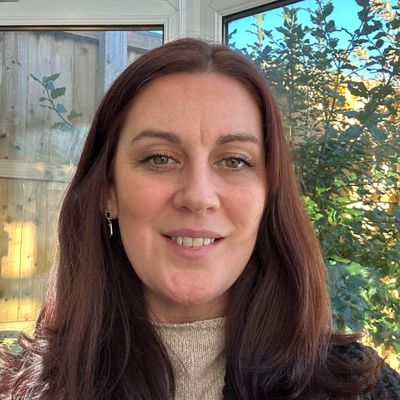
Bianca Marie Ross
My name is Bianca Marie Ross and I am a qualified counsellor and NLP practitioner, with a particular focus on working with neurodivergent clients and supporting both trainee and qualified counsellors in practice.
My understanding of neurodivergence began early in life. When I was four years old, my eldest brother was born, he is autistic and has learning difficulties. From a young age, I became aware of how he experienced the world differently, what felt comfortable for him, what didn’t, and how his needs shaped the way he moved through daily life. Supporting and understanding him became a natural part of my role.
As I grew older, my younger brother was born. Although we were not as close due to the age difference, I became increasingly aware of his struggles and of the pressures placed on my family. My brothers have very different presentation, needs, and ways of navigating the world. Through them, I saw first-hand how differently neurodivergence can present, and how additional needs shape those experiences in unique ways.
As an adult, I became more involved in supporting my eldest brother as he transitioned into adulthood. I witnessed the barriers he faced within systems that were not designed with him in mind. These experiences continue to shape how I understand both individuals and the environments they are navigating.
Professionally, I began working in a secondary school as a Learning Support Assistant, supporting young people with support needs. During this time, I created a wellbeing group and an after-school space where students could simply be themselves, somewhere safe, without pressure, where they could connect and feel understood.
I went on to train as a counsellor, qualifying in 2023. While I had initially imagined working with children, much of my work developed with adults, many of whom were navigating late diagnosis, or questioning their experiences without one.
Together, we explored some of the most significant questions they carried:
- What is wrong with me?
- Why am I different?
- Why has no one noticed how much I have struggled?
Being part of these journeys has been a privilege. But one question stayed with me:
“What happens after this?”
What happens after therapy?
What happens once the insight is there?
It became clear to me that there needed to be something more. I could not support a client in developing a deeper understanding of themselves and then leave them to try to integrate that understanding alone. It felt like a natural extension of care that there should be an “after” to the counselling process.
Through direct experience across counselling, education, and real-world settings, I began to notice a consistent pattern, neurodivergent clients were gaining insight in therapy, but struggling to sustain change in their everyday lives. This led to the development of the Ross Neurodiversity Integration Framework (RNIF), a structured, longitudinal approach designed to support the integration of therapeutic work beyond the counselling room.
Alongside my core training, I integrate additional approaches including Neuro-Linguistic Programming (NLP) and Emotional Freedom Technique (EFT), where appropriate. These are used to complement counselling work and offer additional ways to support clients with processing and regulation.
A key part of my work is also focused on supporting counsellors themselves. After qualifying, I became increasingly aware of the pressures within the profession, particularly the financial and emotional strain placed on trainee counsellors, and how this often continues beyond qualification. Counselling can be an isolating profession, and many practitioners are supporting others without consistent support themselves.
This led to the development of Counsellor Care, a space focused on connection, accessibility, and support for counsellors at all stages of their journey. Through this, I offer opportunities for connection, shared learning, and ongoing professional development.
I have a particular interest in supporting trainee counsellors as they develop their practice, as well as qualified practitioners looking to deepen their understanding of working with neurodivergent clients.
My work is rooted in the belief that insight alone is not always enough, and that meaningful, sustainable change requires consideration of capacity, context, and the realities of clients’ everyday lives. The foundations of my work are grounded in a neuro-affirmative approach, recognising neurodivergence as a natural variation in human experience rather than something to be 'fixed'.